
Lynn Norman-Teck, Executive Director, FCSA, responds to questions about PPP & Charter Schools
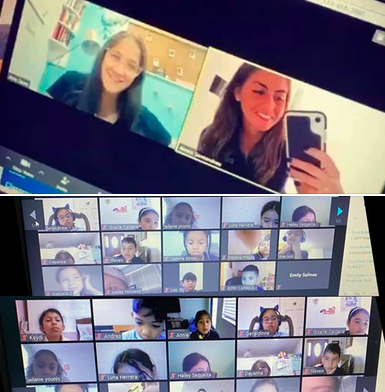
When the pandemic closed school buildings, learning at charter schools went on, uninterrupted. Charter schools across Florida transitioned to distance learning. They made a quick pivot to support their learners — using a variety of tools from live, online instruction to packets sent home.
Charters had the flexibility to give students the resources for successful distance learning, and the availability of federal loans — through the Payroll Protection Program — helped cover unexpected expenses. Schools hired substitute teachers, paid overtime for staff working to provide student support. They also provided thousands of digital devices to students who didn’t have them. The federal loans allowed them to keep existing staff and cover the new expenses.
I have been asked why charter management organizations, or education management organizations, applied for funds made available through the Paycheck Protection Program (PPP) administered by the Small Business Administration (SBA). They did so because it was the right thing to do. Those loans allowed them to provide critical support services during challenging times.
As Congress intended, the PPP loans were a critical source of funding during a time of economic uncertainty. Loans were for organizations that met the criteria outlined by federal guidelines. Those organizations included 501(c)(3) nonprofits, small businesses, and other for-profit entities. The goal was to protect against layoffs, support their ongoing operations, and help them meet certain financial obligations. Under Florida law, nonprofits operate most charter schools and are eligible if they meet the criteria.
PPP funds enabled organizations to continue to serve their communities with minimal disruption. They provided a lifeline for organizations that had unique, immediate financial needs during an unprecedented public health crisis. Without PPP funds, thousands of schoolchildren would not have had limited support, and left without computers and other learning resources during school closures.
Regarding funding available under the CARES Act for K-12 schools: If charter schools are their own local educational agencies (LEAs), they may receive additional funding if they have received Title I funding in the past year. In Florida, only a handful of charters are LEAs. The vast majority are not.
A majority of charter schools will only receive funding if their school district chooses to provide it to them. Further, the deadline to apply for PPP funding prevents many charter schools from taking into account any funds they may receive when evaluating meeting unexpected expenses. Therefore, it is reasonable to apply for available PPP funding, if needs exist, rather than hoping for other funding later.
It is important to remember that charter school board members have a fiduciary duty to assess the potential impact that the national economic downturn could have on school operations. They have to take available steps to mitigate negative consequences. While districts can seek bonds and other sources of revenue to mitigate financial challenges, those options are not available to charter schools. Yet they all have an obligation to continue to serve the families and communities that depend on them. The PPP loans served students and communities well by allowing charter schools and their supporting organizations to provide uninterrupted services and support.